
News + Updates
Find out what our team has been up to.
Find out what our team has been up to.
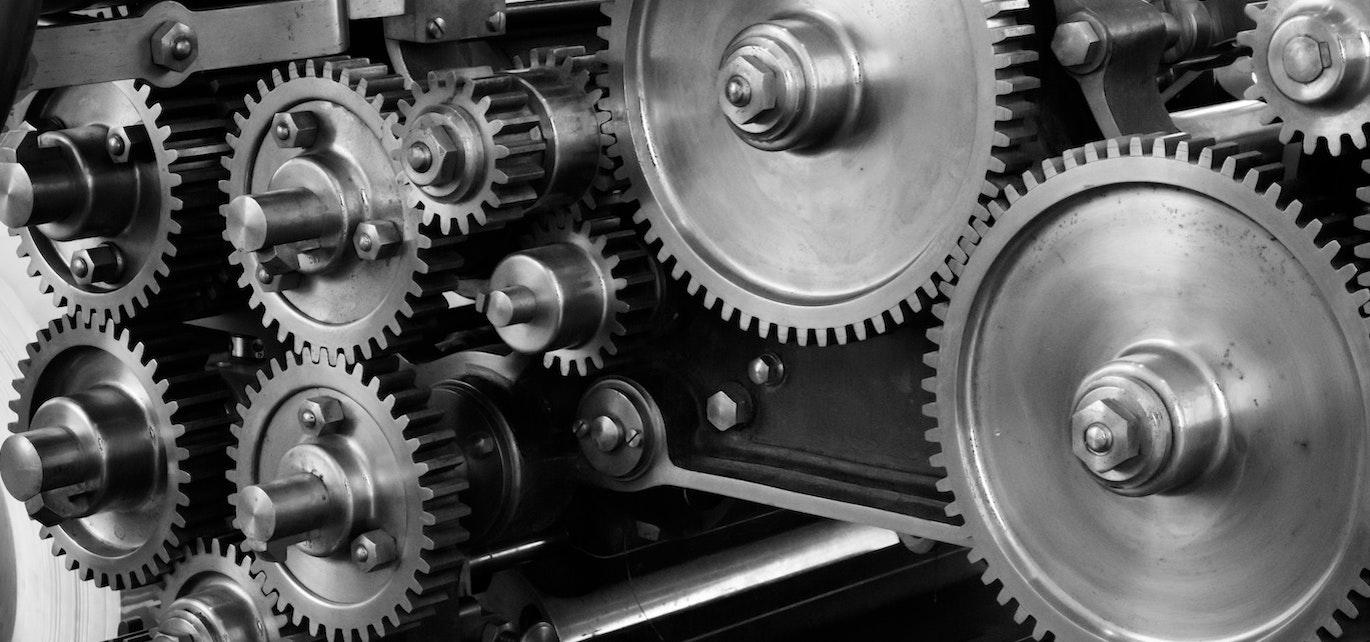
Although it’s been around for a long time, flexography is still a growing industry. Over the last decade, especially, flexographic printing has amassed more benefits and technological advances to compete with the ever-increasing popularity of digital printing.
Here are some updates to expect from flexography in the coming years:
Innovation
One of the biggest differences between digital and flexographic printing is that digital printing is more cost-effective for small to medium runs, where flexographic printing is more cost-effective for large runs. However, between advances in software, prepress, plate technology, inks and coating, and increasing consumer, retailer, and client demands for more variation, the pressure is on flexographic printing to produce lower length runs with an economical price. In the coming years, we can expect to see more technological advances in these areas.
Integration
As printing capabilities and offerings continue to expand across the industry, we will continue to see more in-line integrations available for flexographic printing. These integrations are an efficient way to add more value to your packaging, varying from current processes like cold foiling, perforating, embossing, and laminating.
Sustainability
Sustainability has been a massive focus for the packaging industry for a while, with all printing methods working toward a more sustainable future. Currently, flexographic printing is ahead of many other printing methods in sustainability due to its ability to print on a wide range of substrates and textures and the range of inks available. This range will only increase in the coming years, and the sustainable substrate options will continue to grow.
If you're interested in learning more about flexographic printing, check out our relevant posts here:
Questions? Reach out to our team via our online contact form or request a quote here!
Businesses across diverse industries choose Associated Labels & Packaging to expand their product lines.